A Real Look at One Month Behind the Scenes
Most people assume a wedding planner steps in a few weeks before the wedding, creates a timeline, and shows up with a clipboard.
That’s part of it. A small part.
What they don’t see is everything happening in the background, across multiple weddings, timelines, and moving pieces, often all at once.
So instead of summarizing, I pulled back the curtain on a full month. This is March. No editing, no trimming. Just what it actually looked like.
Also worth noting, this month included three kids at home, school closures, a few pediatrician visits, and more than one rescheduled workout. Real life doesn’t pause for weddings, and weddings don’t pause for real life.
The Landscape
At any given point this month, we were managing:
- Multiple weddings in the 90-day window
- Several early-stage full planning clients building budgets, vendor teams, and design direction
- A private property wedding with tenting, power, and transportation logistics
- A large-scale venue event and styled collaboration
- New inquiries, proposals, and onboarding for incoming clients
Each of these requires a different type of attention, and they’re all moving forward at the same time.
Design, Aesthetics, and Creative Direction
This is the part people see, but even this is more layered than it looks.
In March, that included:
- Finalizing drapery direction, including height, placement, and structure relative to chandeliers and tent builds
- Deciding between bar facades to align with overall event tone
- Refining tabletop details like napkin folds, glassware selections, and linen swaps to balance cost and visual impact
- Sending custom wallpaper concepts for bar cutouts and exploring installation logistics
- Reviewing and adjusting floral proposals multiple times to align with both budget and scale
- Removing higher-cost rentals like specialty martini glasses when they didn’t meaningfully improve guest experience
- Designing cocktail hour layouts that support flow, not just aesthetics
- Creating and refining mood boards for both client weddings and a large vendor event
- Adjusting layouts to accommodate guest count changes, including adding and removing tables without disrupting flow
- Sourcing linen samples and coordinating rental showroom prep ahead of design meetings
A lot of this is iteration. Very little is one-and-done.
Vendor Management and Coordination
Every decision runs through a vendor. Every vendor has their own process, timing, and constraints.
This month looked like:
- Connecting vendors directly so communication flows without bottlenecks
- Reviewing and sending multiple rounds of transportation quotes, including edits based on property restrictions
- Confirming AV needs, including mic counts and setup requirements
- Coordinating with rental companies on delivery timing, order adjustments, and inventory swaps
- Managing floral, catering, and production conversations simultaneously so no one is designing in a vacuum
- Following up on proposals that were delayed or incomplete
- Clarifying contract details, including assistant staffing, load-in times, and setup responsibilities
- Coordinating tasting logistics and adjusting menus in real time based on client feedback
- Managing hotel blocks, rooming lists, and transportation alignment
There are dozens of emails behind each one of these bullets.
Logistics and Problem Solving
This is where most of the work lives, and where the stakes are highest.
A few examples from this month:
- Coordinating load-in schedules across multiple vendors to ensure everything can be installed without overlap or delay
- Evaluating whether rentals should arrive Friday or Saturday based on rain plan implications and tent usage
- Confirming whether trees and large installations can be loaded in early without disrupting the venue schedule
- Navigating golf cart transportation logistics for a property with accessibility considerations and evening lighting needs
- Ensuring elderly guests can safely move between weekend locations
- Adjusting layouts and rental counts based on evolving guest counts, down to exact table sizing
- Reviewing BEOs and planner checklists line by line to catch inconsistencies before they become issues
- Coordinating transportation requests and ensuring they’re accounted for in overall flow
- Troubleshooting bar placement, catering prep space, and tent usage across multiple scenarios
Most of this work never gets seen, because when it’s done well, nothing feels complicated on the wedding day.
Client Communication and Decision Support
Behind every task is a conversation.
This month included:
- Leading multiple 90-day kickoff meetings to transition clients into final planning
- Sending check-ins to keep decisions moving without overwhelming clients
- Walking clients through budget adjustments and helping them prioritize where to invest
- Translating vendor information into clear, actionable next steps
- Sending design options, gathering feedback, and refining direction
- Answering quick-turn questions while also managing long-term planning strategy
- Guiding decisions around attire, rentals, layouts, and guest experience
A big part of this role is helping clients feel confident, not just informed.
Final Planning and Wedding Prep
For clients approaching their wedding dates:
- Drafting and refining timelines
- Creating full coordination documents for the planning team
- Sending vendor reconciliation emails and tracking responses
- Confirming final details like signage, rentals, catering counts, and staffing
- Scheduling and preparing for final walkthroughs
- Assigning assistant roles and shifts for wedding weekend
- Reviewing every document, order, and layout multiple times
This is where everything gets tightened and locked in.
New Clients, Proposals, and Onboarding
While current weddings move forward, new ones are starting.
This month included:
- Inquiry calls and proposal creation
- Building initial budgets and Aisle Planner accounts
- Sending welcome packets and onboarding materials
- Creating planning timelines tailored to each client
- Scheduling venue tours and early vendor meetings
There’s no “pause” between weddings. The pipeline is always moving.
The Pieces You Don’t See
There are also the smaller things that keep everything running:
- Adjusting shipping addresses for rentals
- Sending back detailed stationery feedback, including color corrections down to specific hex codes
- Managing document organization across multiple platforms
- Coordinating team communication and delegating tasks
- Booking travel for upcoming weddings and events
- Reviewing galleries, sourcing inspiration, and preparing for future design conversations
None of these are headline moments, but they’re what make the bigger pieces possible.
What This Month Also Looked Like
Outside of weddings:
- School closures and half days
- Pediatrician visits and ear infection checks
- Scheduling appointments, from house cleaning to vet visits
- Meal planning, grocery runs, and keeping a household moving
- Fitting in workouts where possible, and skipping them when needed
- Late-night follow-ups after bedtime, and early morning check-ins before the day starts
Not as a badge of honor, just as context.
This is why everything in my process is intentional. There isn’t room for disorganization or unnecessary back-and-forth. It has to be clear, efficient, and thoughtful from the start.
The Takeaway
If you’re planning your own wedding, you’re not just making decisions. You’re managing timelines, vendors, logistics, budgets, communication, and a constant stream of moving parts.
All while living your actual life.
This is what a planner steps in to carry.
So that you can stay focused on what matters, make decisions with clarity, and actually enjoy the process without feeling like you’re juggling a second full-time job.
Need help? Let’s chat (:
Explore By:
I design elevated, ultra-personal celebrations for couples who want every detail to be perfect—without ever having to micromanage a thing.
FOUNDER OF EVERMORE OCCASIONS
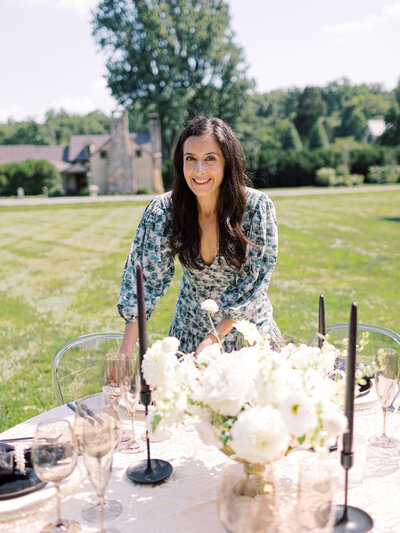
Meet Carmen
featured real weddings
I firmly believe that knowledge is power. Answer a few questions about the wedding you want, and I’ll explain what you’ll realistically need to budget per guest (and break down where that money’s likely to go).
in the DMV area cost?
What Will Your Ideal Wedding
take the quiz!


copyright evermore occasions 2026